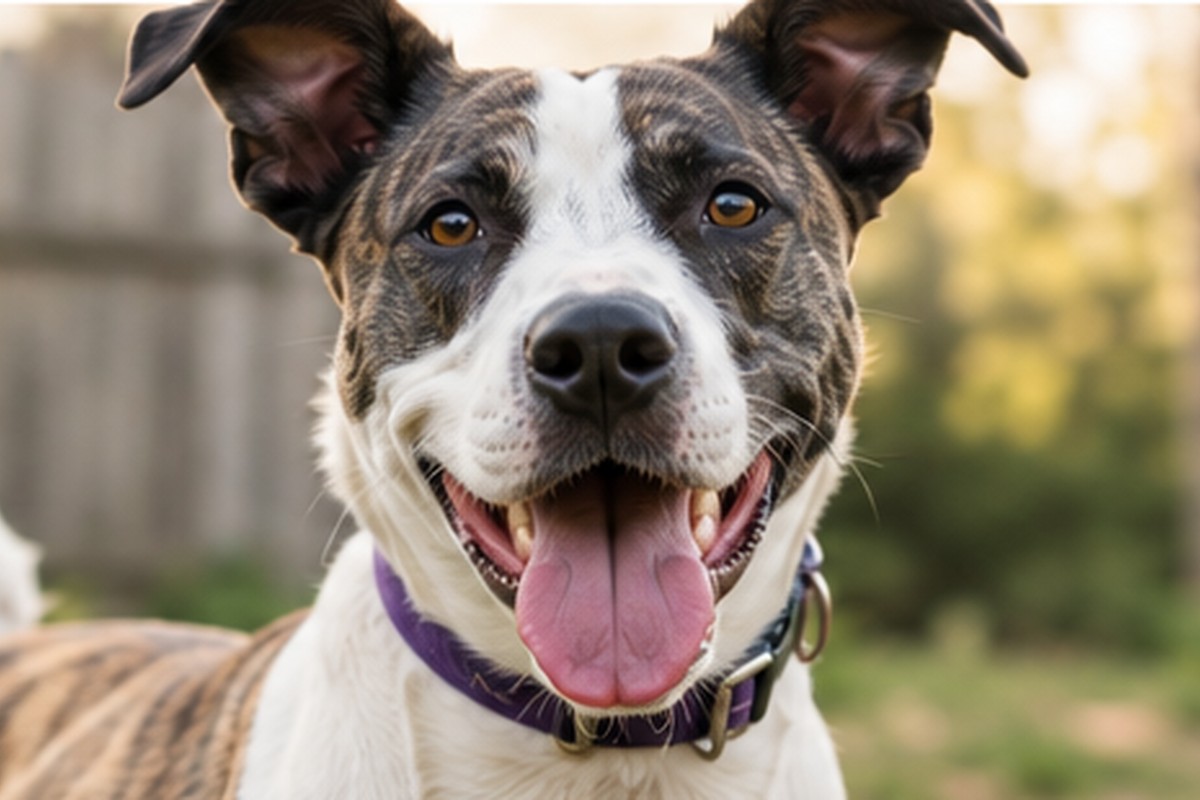
Dogs • Cats • Second chances
Different needs. Better routines. More comfortable homes.
House of Misfits Pet Guide is built for senior pets, shy rescues, cats, dogs, and companions who simply need a little more thought around home life.
House of Misfits Pet Guide is built for senior pets, shy rescues, cats, dogs, and companions who simply need a little more thought around home life.
This site focuses on pets whose needs do not fit a one-size-fits-all routine.
Content includes both species plus senior, shy, and special-needs household planning.
The goal is usable routines that reduce friction rather than advice built around panic or perfection.
Separate reading paths for adoption, foster care, mixed-pet homes, senior pets, special needs, and practical wellness routines.
Bringing home, matching, first-week pacing, and realistic transition planning.
Explore AdoptionHome setup, notes, supplies, and routines that make temporary care easier.
Explore Foster CareConfidence, senior comfort, special needs, cats, and mixed-pet household routines.
Explore Dogs & CatsBaseline care, seasonal routines, observation, and practical home support.
Explore WellnessOne full guide plus supporting reads for rescue-minded homes that want calmer transitions.
A calm first week can help dogs and cats understand a new home before they are asked to handle visitors, outings, and big expectations.
Read guide
Older dogs often benefit from better traction, easier access to rest, and routines that reduce unnecessary effort around the home.

Confidence grows when a dog can observe, choose distance, and experience small successful interactions instead of being pushed into them.

Clear routes, stable surfaces, well-placed rest areas, and organized supplies can make daily life easier for dogs with mobility challenges.
Many cats settle better when they begin in one quiet room with clear resources and expand their territory gradually.
Original article pages written for this domain, each with its own local image.

Successful dog-cat introductions rely on barriers, safe routes, and short sessions long before free access makes sense.
A routine post-adoption check creates a useful health baseline and gives new caregivers a chance to organize preventive care early.

A simple supply station keeps leashes, food, medication notes, cleanup tools, and handoff information from spreading across the whole house.

Some rescue dogs need shorter winter outings, extra paw checks, and a calmer indoor follow-up instead of longer walks in difficult weather.
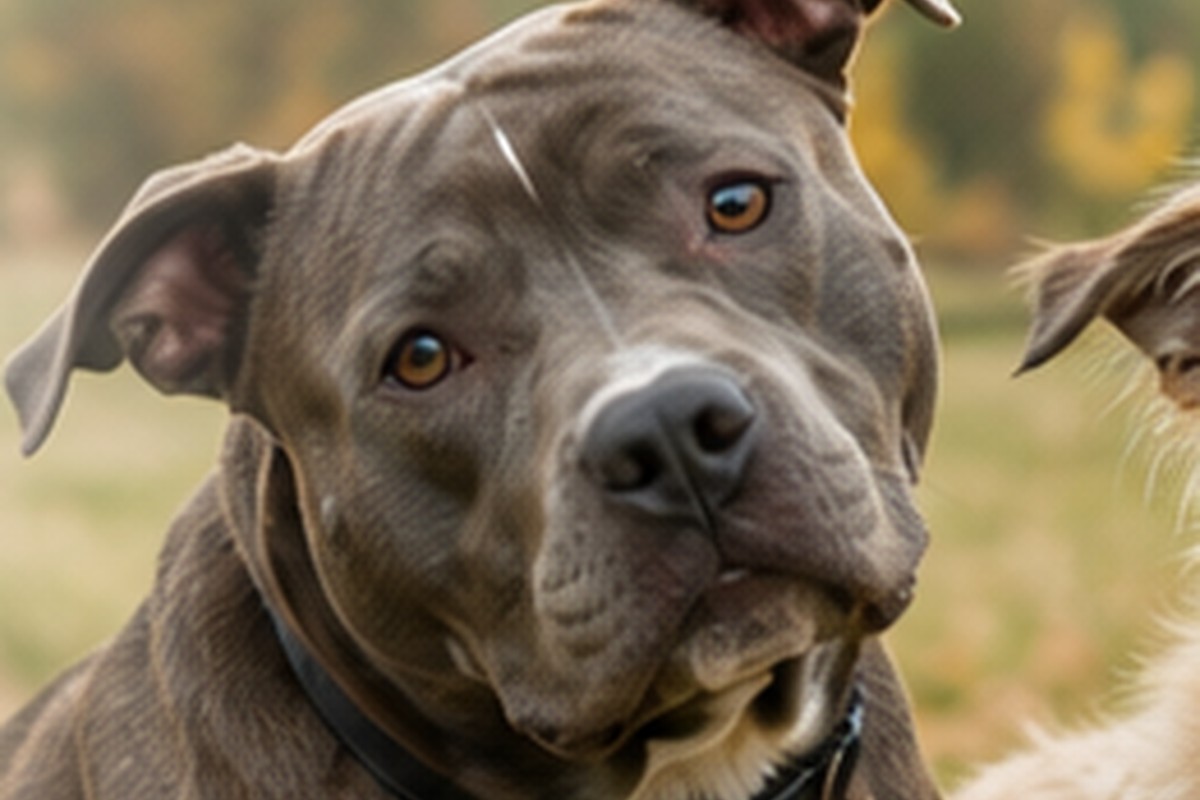
Energy, recovery style, handling needs, household traffic, and realistic daily routines matter more than a perfect first photo.